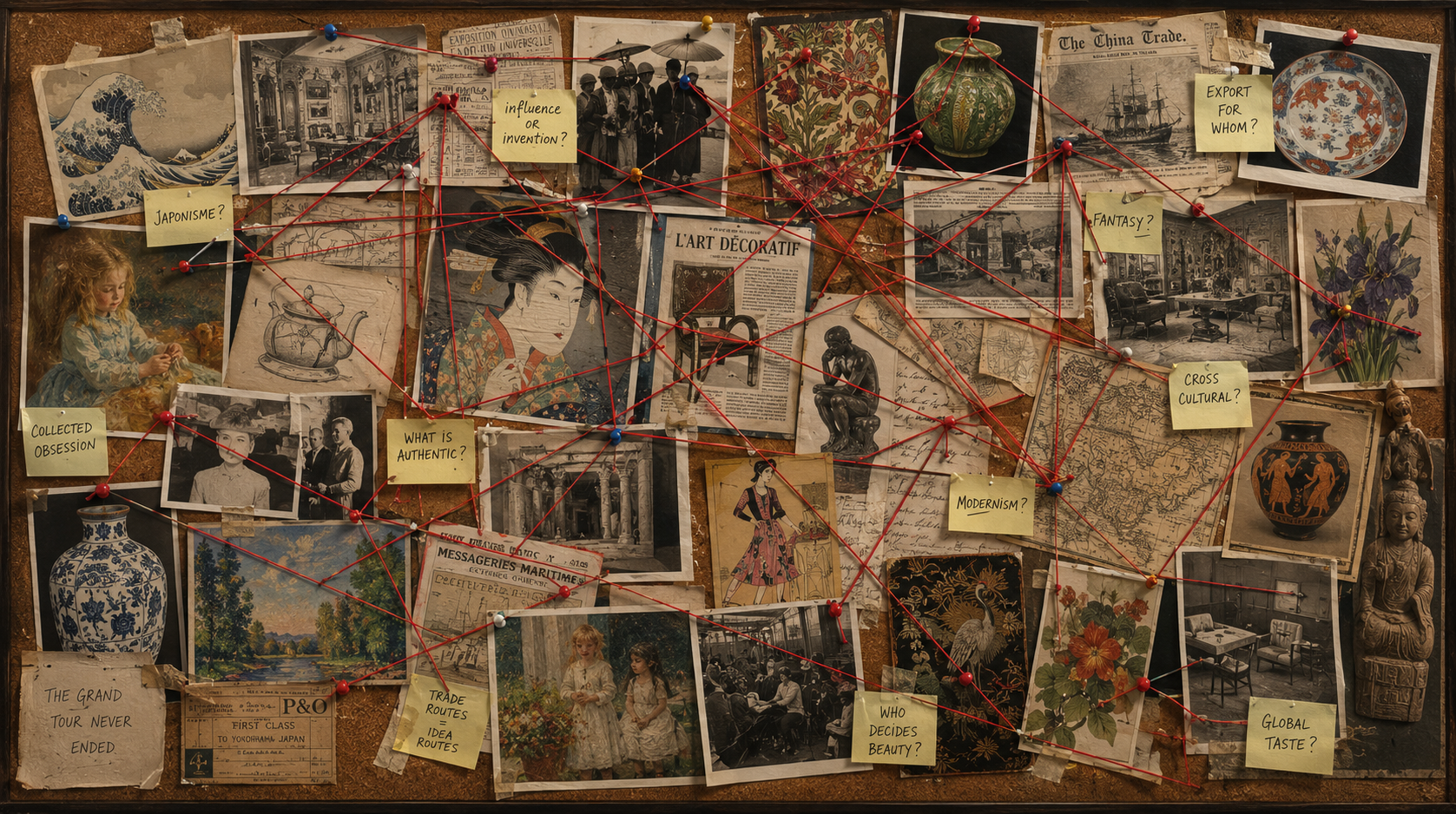
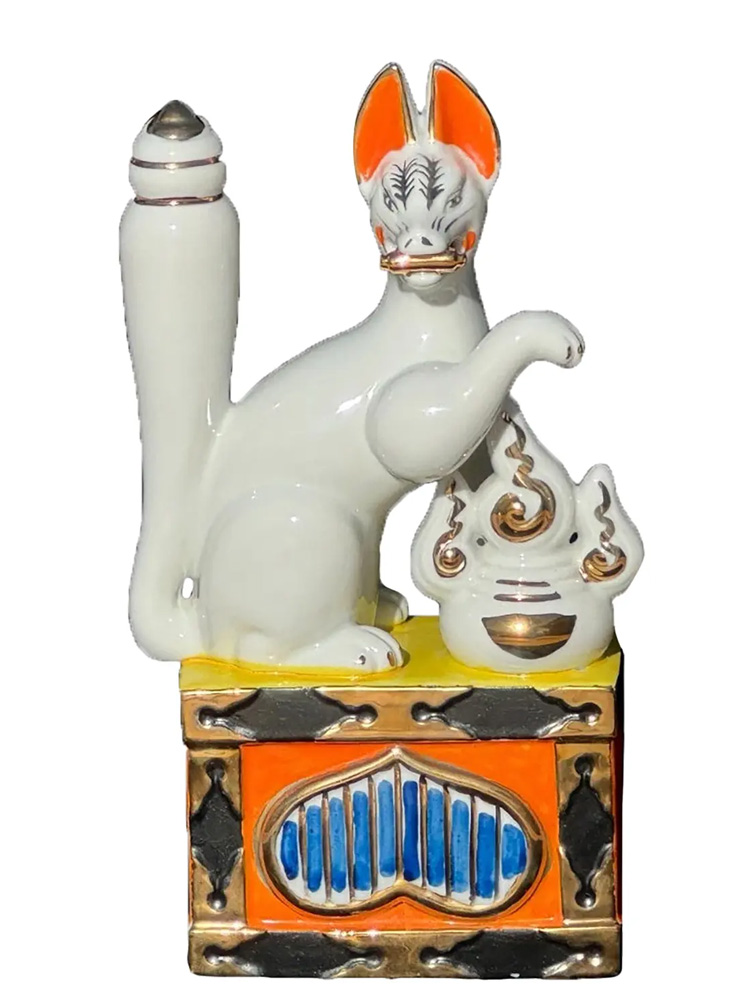
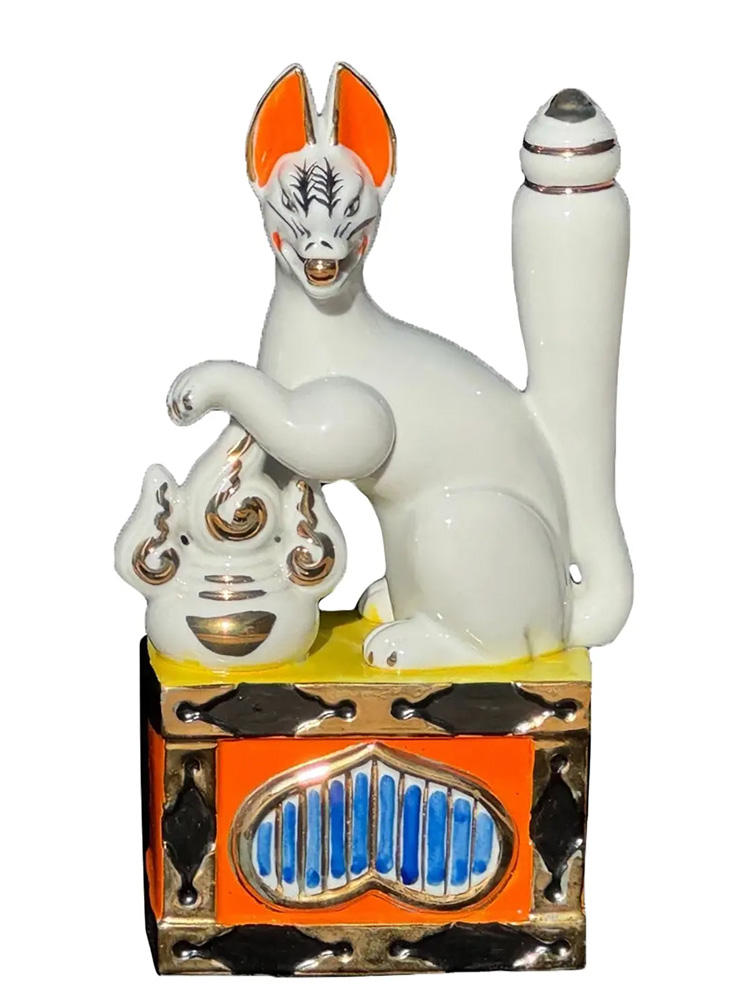
I have a theory. It starts with a pair of Japanese Inari foxes and ends, somehow, at a Monte Carlo travel poster — with Pueblo pottery, Egyptian ruins, Hollywood glamour, and a Balinese painting implicated somewhere in the middle.
The theory is this: nothing in a well-collected room got there by accident.
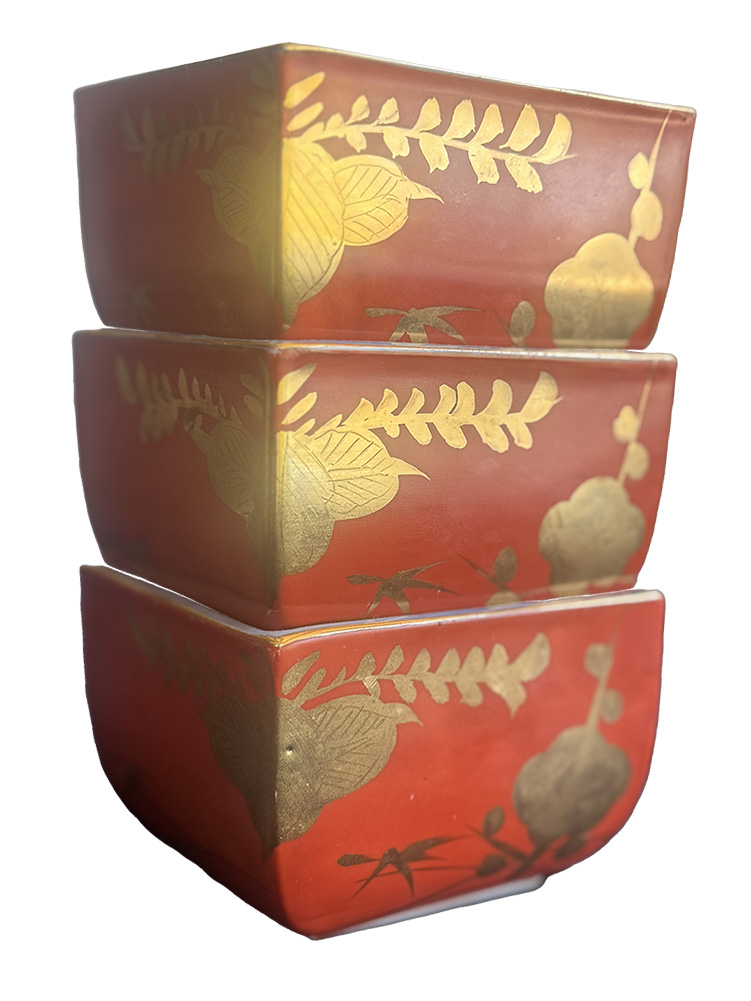
Every object is a survivor. It carries compressed ideology — beliefs, fantasies, trade routes, colonial anxieties, film sets — from histories most people have completely forgotten. It was shaped by someone else’s obsession before it became yours. And if you look closely enough, the objects start talking to each other across the shelves. The Inari foxes whisper to the Imari porcelain. The David Roberts Egypt lithograph has things to say to the Monte Carlo travel poster. The Balinese painting is in conversation with the Pueblo pottery in ways that have nothing to do with geography and everything to do with what Western collectors have always needed handmade objects to mean.
The connections feel insane until they become impossible to ignore.
That’s the murder board. Art history as red string.
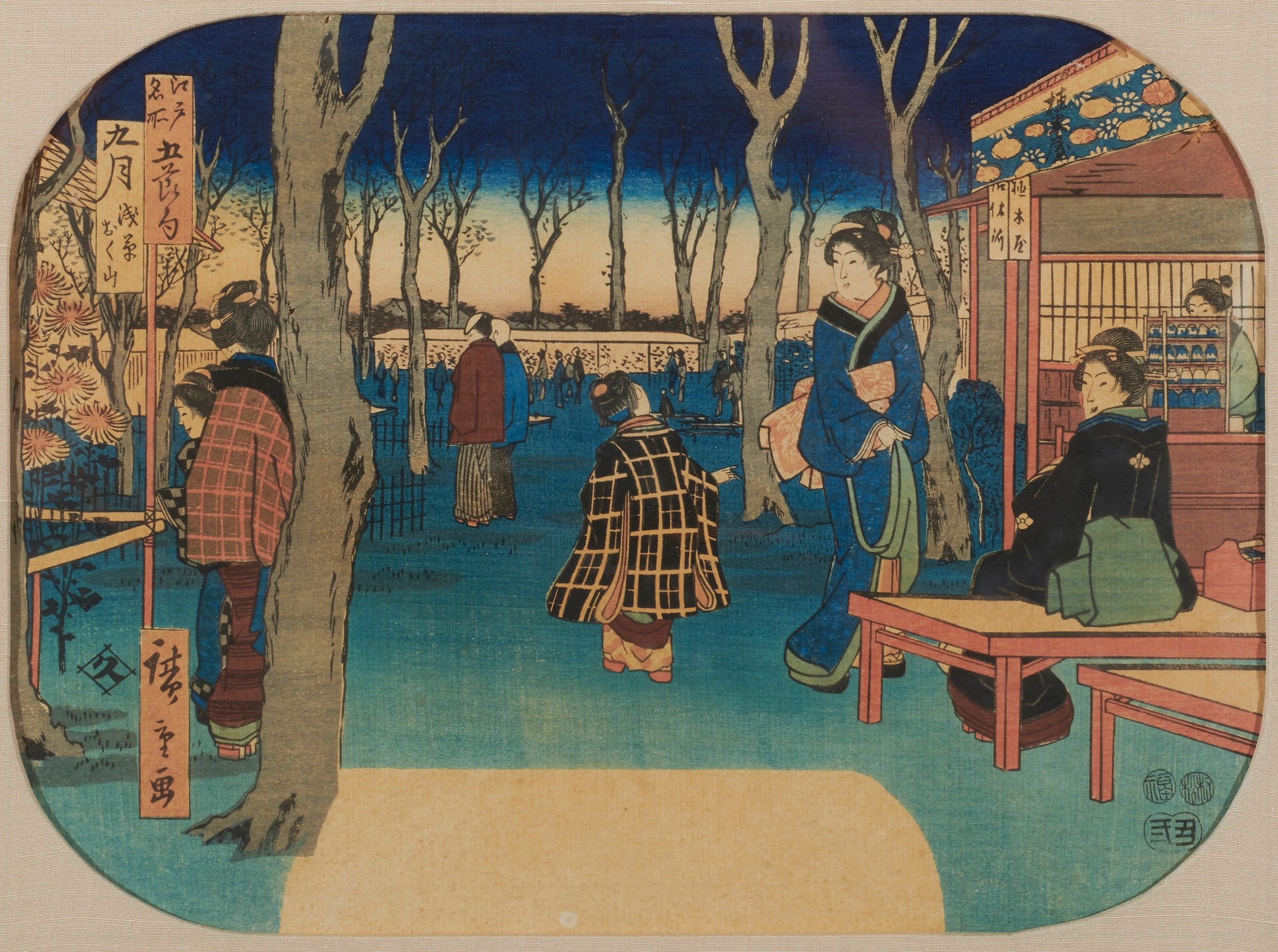
It starts — most things do — in the second half of the 1800s. The world got smaller fast: steamships, World’s Fairs, photography, colonial extraction dressed up as cultural appreciation. Then Japan opened to the West and something cracked open in the Western design imagination that never fully closed again.
Flattened space. Radical asymmetry. Negative space as a positive force. The shockwave moved through Art Nouveau, through Arts & Crafts, through mid-century graphics, and it’s still moving — you can feel it every time a “clean” interior gets called sophisticated. But here’s what the official version leaves out: Japan was watching back. Export ware isn’t just authentic tradition crossing an ocean. It’s negotiation. Japanese manufacturers studied Western taste carefully and designed for it, producing objects that were neither purely Japanese nor purely Western but something stranger and often more interesting than either. The Imari on your shelf didn’t just arrive. It was aimed at you, or at someone very much like you, across a century of careful calculation.
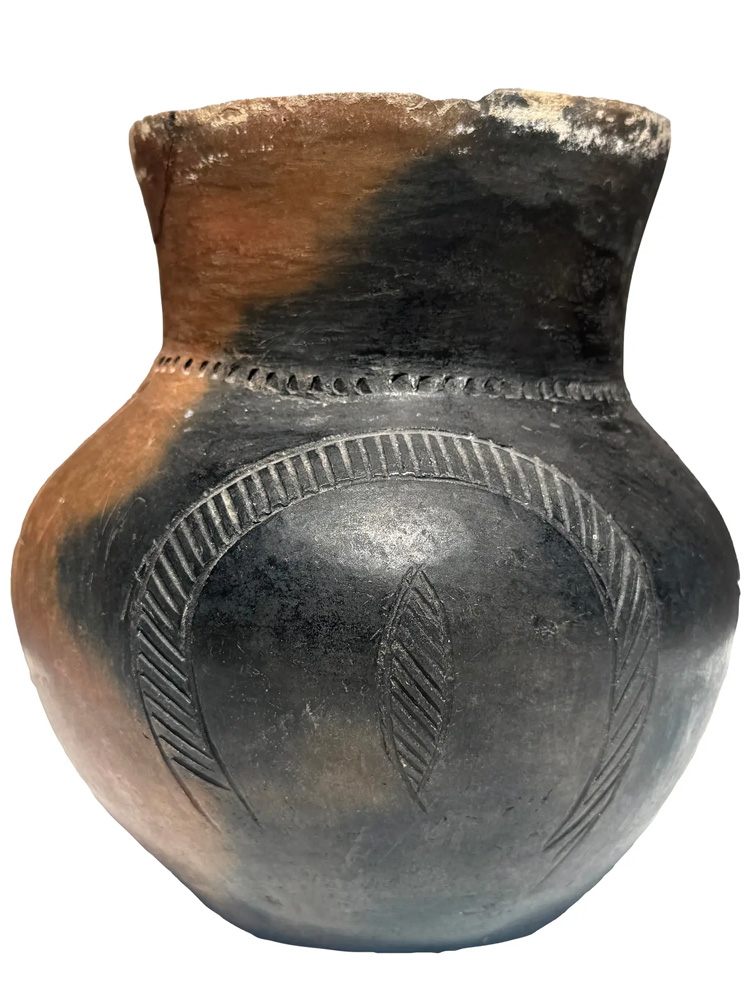
Meanwhile, industrialization was making everything faster, cheaper, and more identical — and a certain type of person found this intolerable. The Arts & Crafts response was essentially moral: a hand-thrown bowl represented honesty. Visible brushwork meant the human hand hadn’t been engineered out of existence. The Sasak terracotta bowl, the Pueblo pottery — by the early 20th century, Western collectors were loading these objects with enormous emotional freight. Slowness. Authenticity. Pre-industrial purity. Whether those projections were fair to the cultures producing the work is a whole other conversation. But the logic is still completely operational. Every “artisanal” price premium in 2026 runs on it.
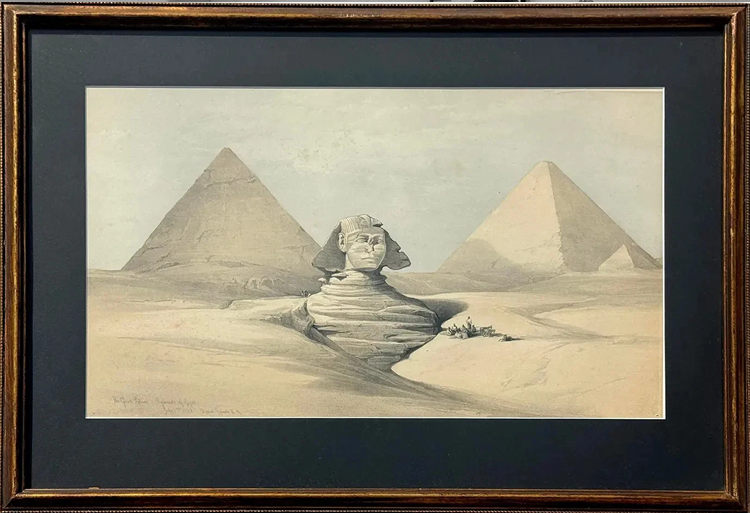
Then there’s Egypt, which — decoratively speaking — has never once left the room. The David Roberts lithographs are a masterclass in how the 19th century turned entire civilizations into portable atmosphere. Roberts traveled through Egypt and the Near East in the 1830s, painted everything with tremendous theatrical flair, and the images circulated through Europe for generations. The forms detached from their origins and became something else: mood, mystique, a vague sense of ancient significance. Egyptian revival keeps reappearing — Victorian drawing rooms, Art Deco skyscrapers, Hollywood epics, Vegas casinos, luxury branding. At some point it stops being a trend and becomes load-bearing architecture.
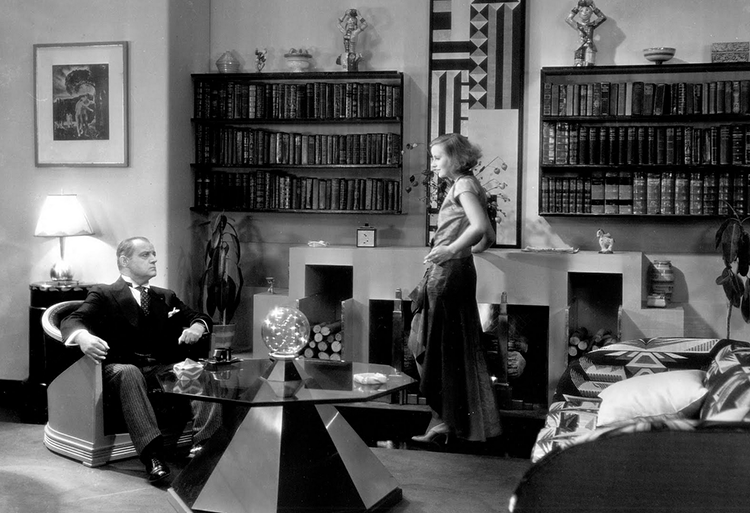
Hollywood is where the conspiracy really scales up. By the 1930s, film studios were building fantasy interiors at industrial volume, and audiences were absorbing visual ideas without realizing they were being educated. Chinoiserie, Orientalist glamour, pagoda shades, porcelain horses — the exotic interior stopped being elite and became aspirational. The Monte Carlo travel poster is the perfect artifact of this exact moment: the point where tourism, cinematic glamour, and decorative fantasy fused. You weren’t buying a destination. You were buying an identity. And people went home and built entire rooms around it.
But here’s what I keep thinking about. The folk art paintings of the Eldridge Street Synagogue and the City Hall ice skaters — they use the same flattened, pattern-saturated visual grammar as the Japanese prints, the Balinese painting, the export ceramics. But they’re not painting exotic fantasy. They’re painting American memory. Urban, immigrant, completely specific. The same visual language that carried fantasies of the Orient halfway around the world got picked up and used to preserve a vanishing Lower East Side. The red string goes places nobody planned.
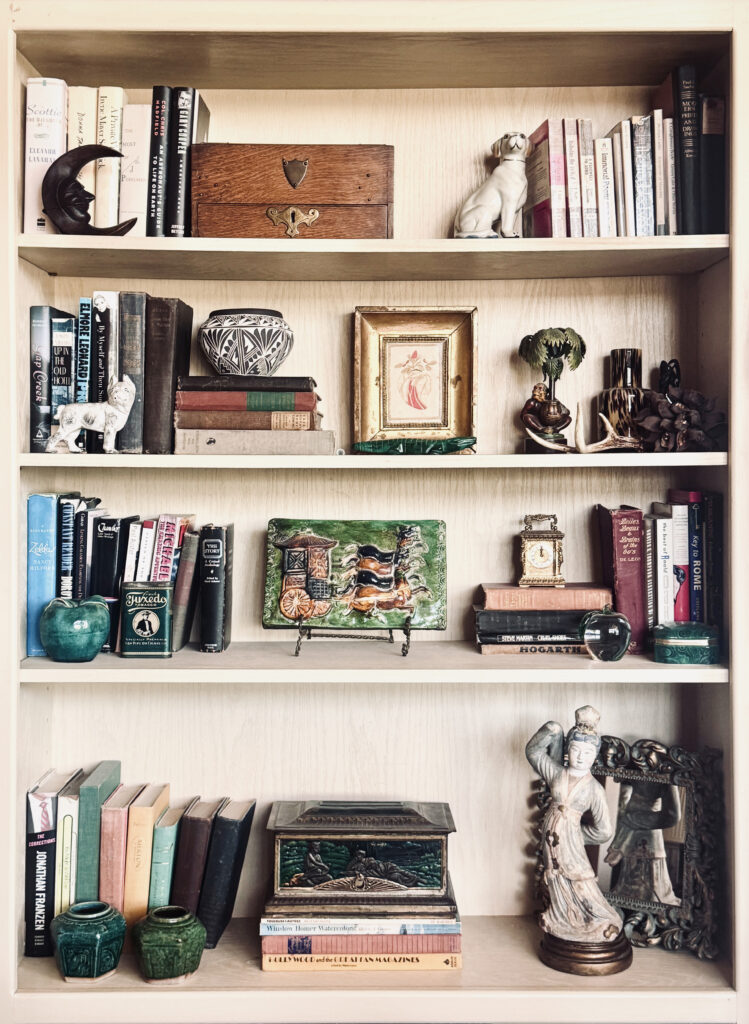
That’s the real point of the murder board.
Nothing is isolated. The Inari foxes have had five distinct identities across three centuries — sacred guardians, export porcelain, Art Deco objects, Hollywood Regency accents — and every identity is still somehow present in the glaze. The impressionist paintings on your wall began as avant-garde rebellion rejected by every serious institution in France, and ended up as the universal visual language of comfort and warmth. Your grandmother inherited the visual language of the avant-garde and never knew it.
What I want this series to chase is not the official version of design history — the one with clean movements and tidy timelines — but the obsessive, slightly unhinged version. The one where a travel poster and an Inari fox and a piece of Pueblo pottery and a Renoir-esque painting of a red-haired girl all turn out to be nodes in the same network. Where every object is evidence of something: a fantasy projected, a trade negotiated, a moral position staked, a memory preserved, a civilization absorbed and repackaged and sent back out into the world.
I bought a spool of red string. It seemed like the only rational response.
Leave a Reply