-
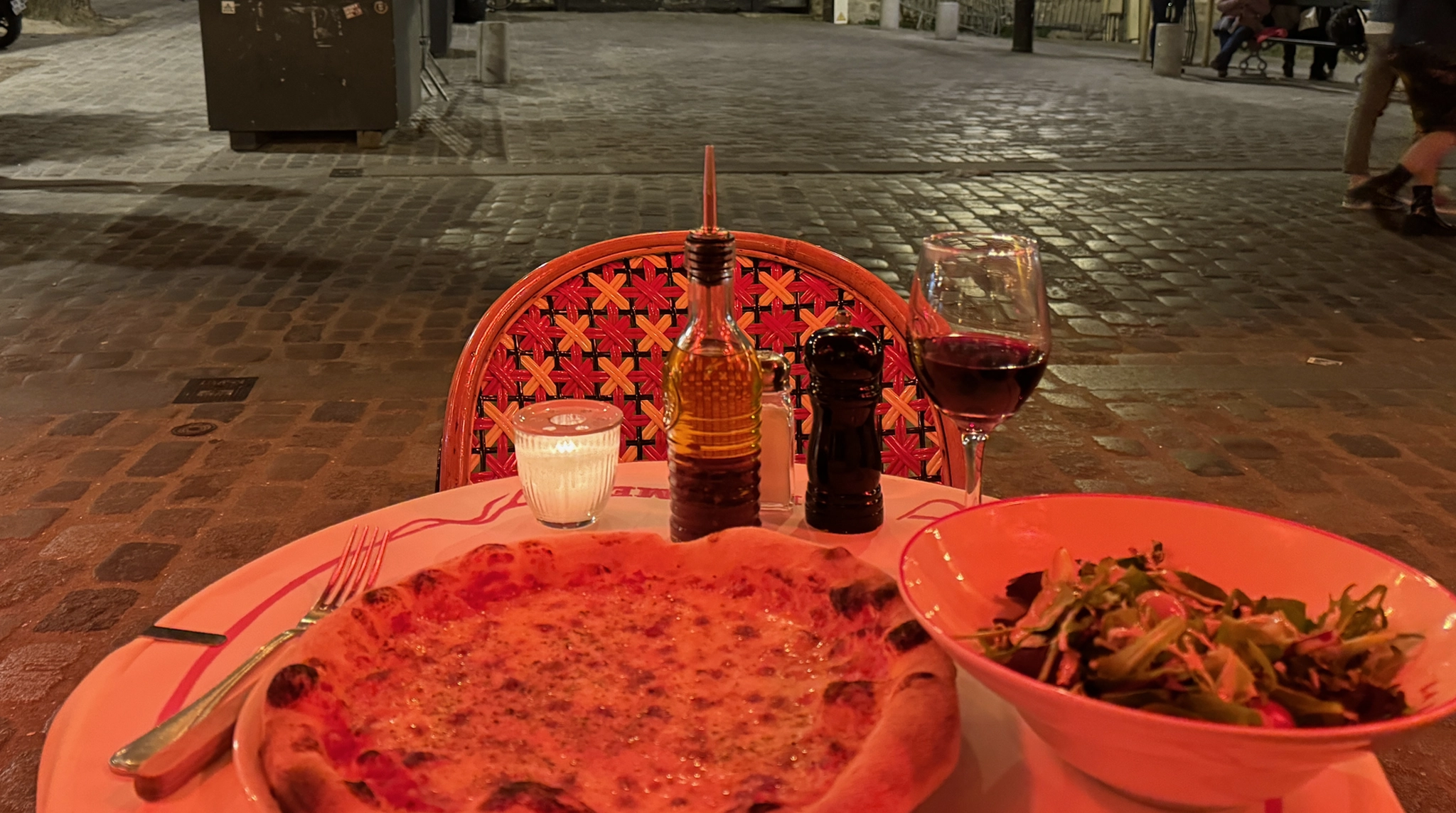
Why I Don’t Hate Things
People say they hate stuff when nothing they’ve owned has ever really mattered. I wish everyone the experience of being one pizza, three glasses of red wine, and a light rain in, and discovering you’re already inside your own painting.
-
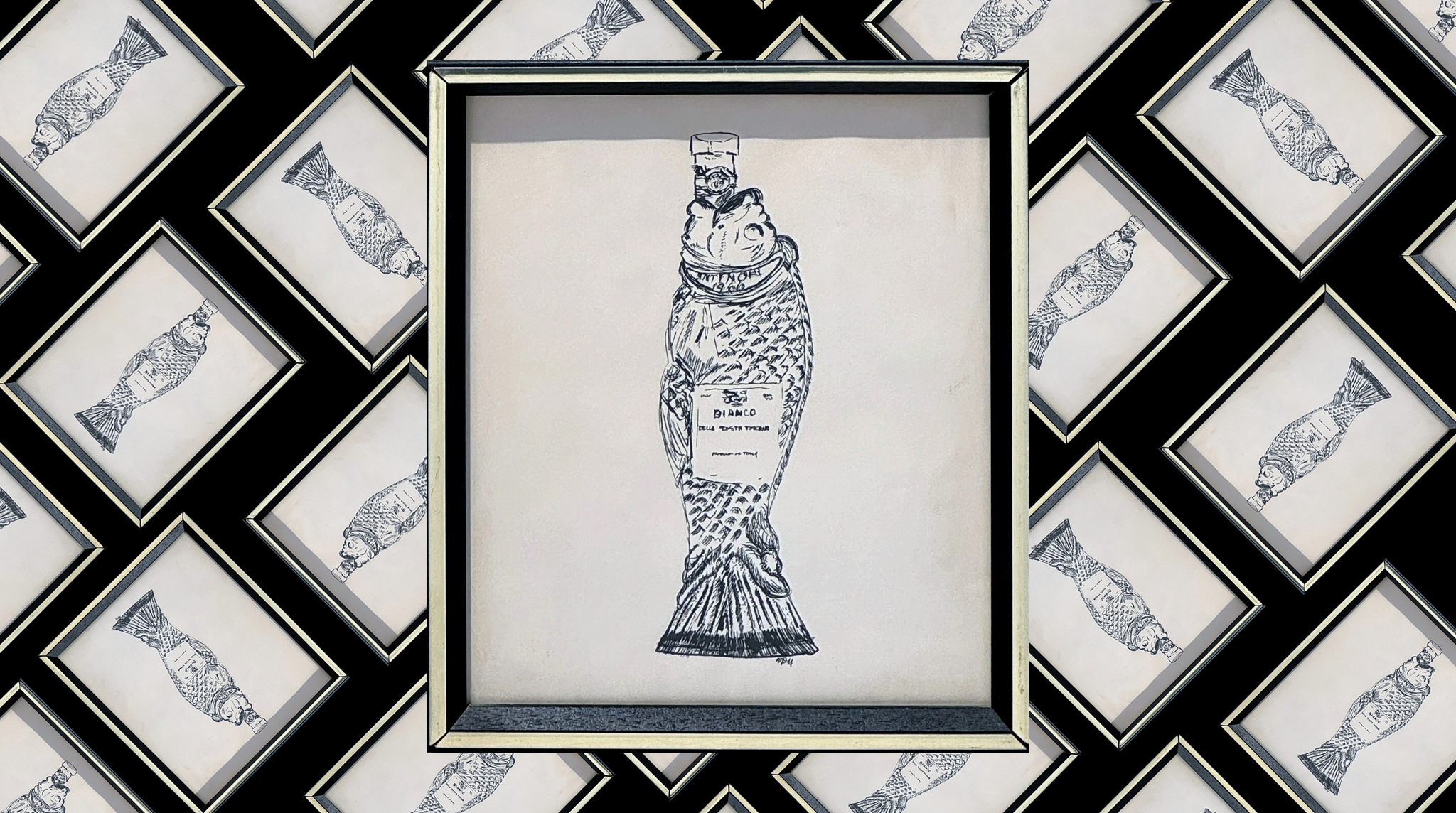
A Fish Bottle In Ink: Italian Design Laid Flat
This small mid-century drawing takes a bright green Italian fish bottle and lays it flat in ink. What was once glossy and playful becomes restrained and singular. A familiar object, re-seen by a contemporary hand — and in that reduction, made to last longer than the object itself ever did.
-
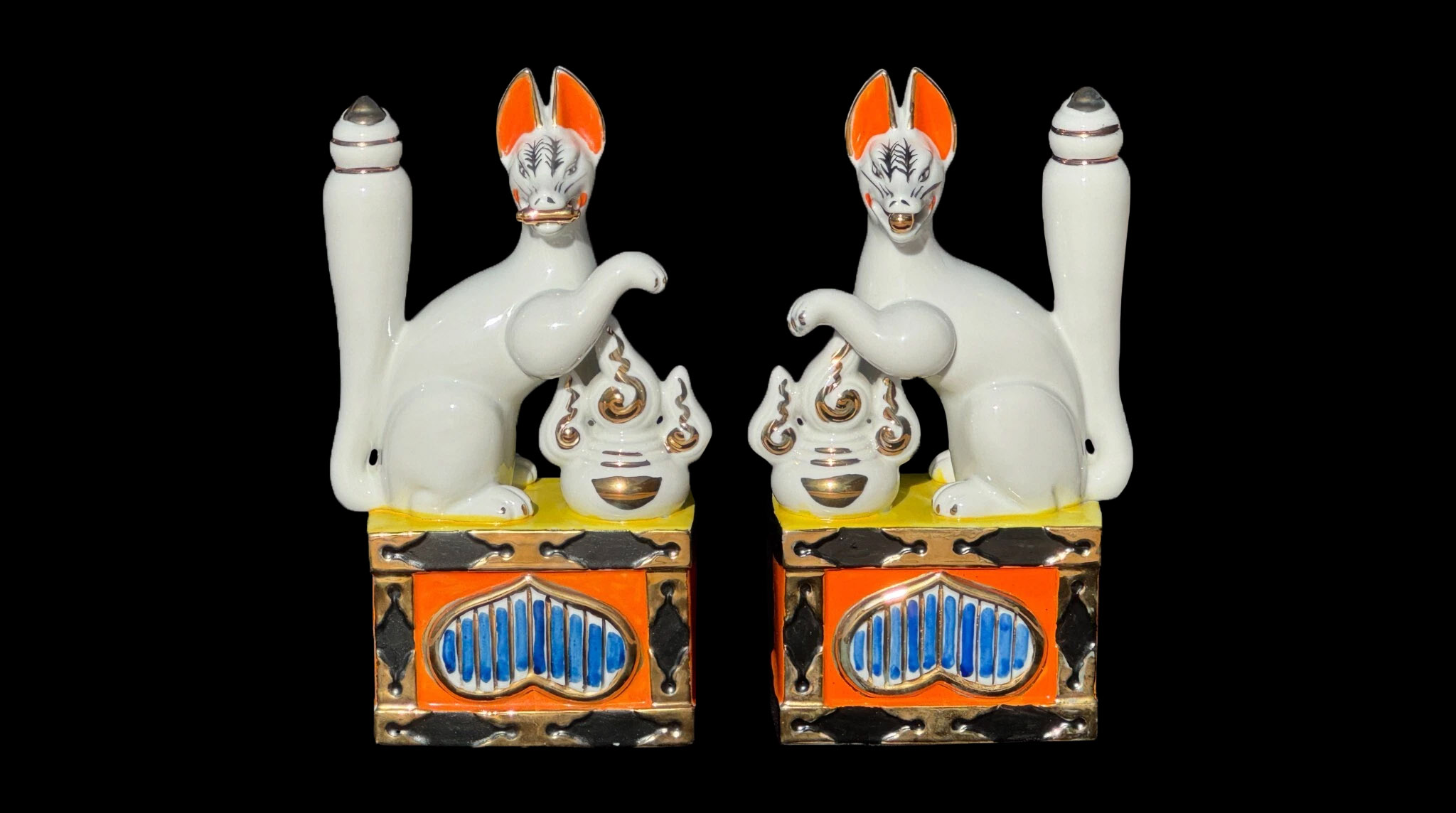
Japanese Inari Foxes as Modern Objects
Kitsune foxes have guarded Inari shrines across Japan for more than thirteen centuries. Stark, glossy, and confrontational, they slip effortlessly into the visual language of the 1960s — except their symbolism was baked in long before modernism existed.
-
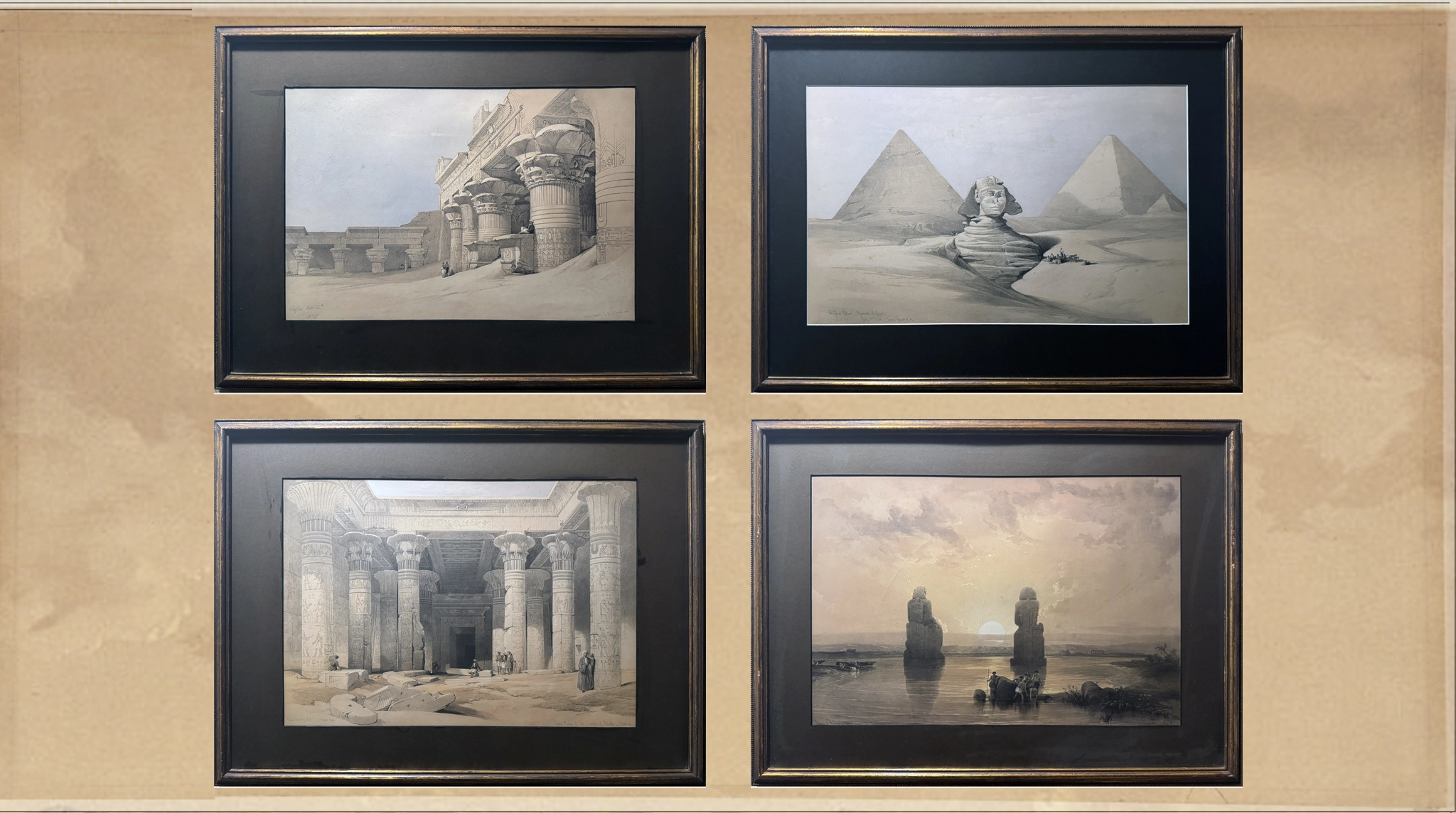
The Moment Lithography Peaked: David Roberts’ Egypt & Nubia
David Roberts’ Egypt & Nubia stands at the high-water mark of tinted lithography, a project so ambitious it redefined what a printed image could be. Drawn on site and published by subscription, these works capture a medium at its absolute limit.
-
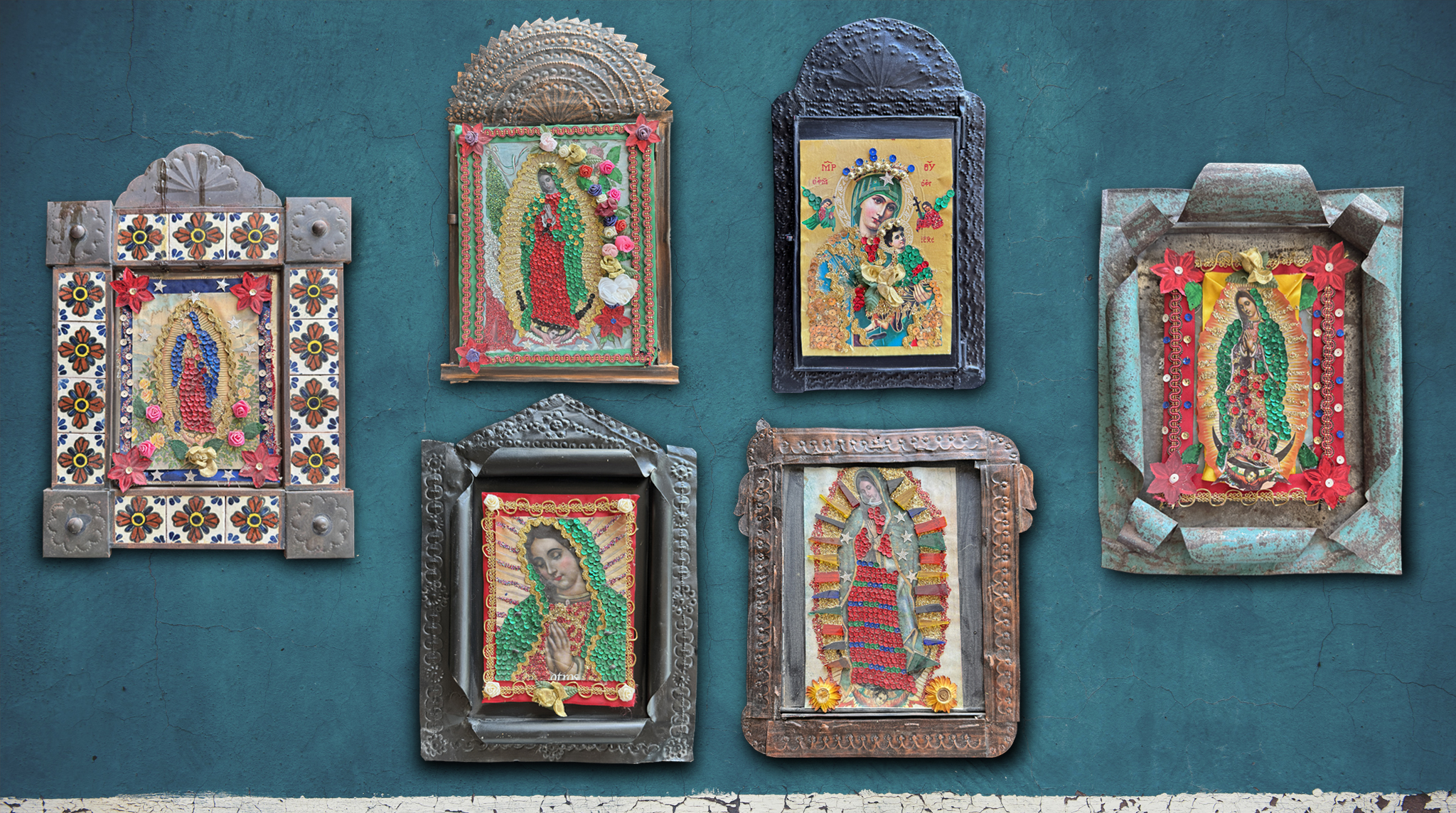
Mexican Nicho Shrines and the Art of Devotion
Mexican nicho cabinet shrines are often described as decorative folk art, but their power comes from intention rather than ornament. They are objects shaped slowly, through attention and reflection, during moments of illness, hardship, or uncertainty.
-
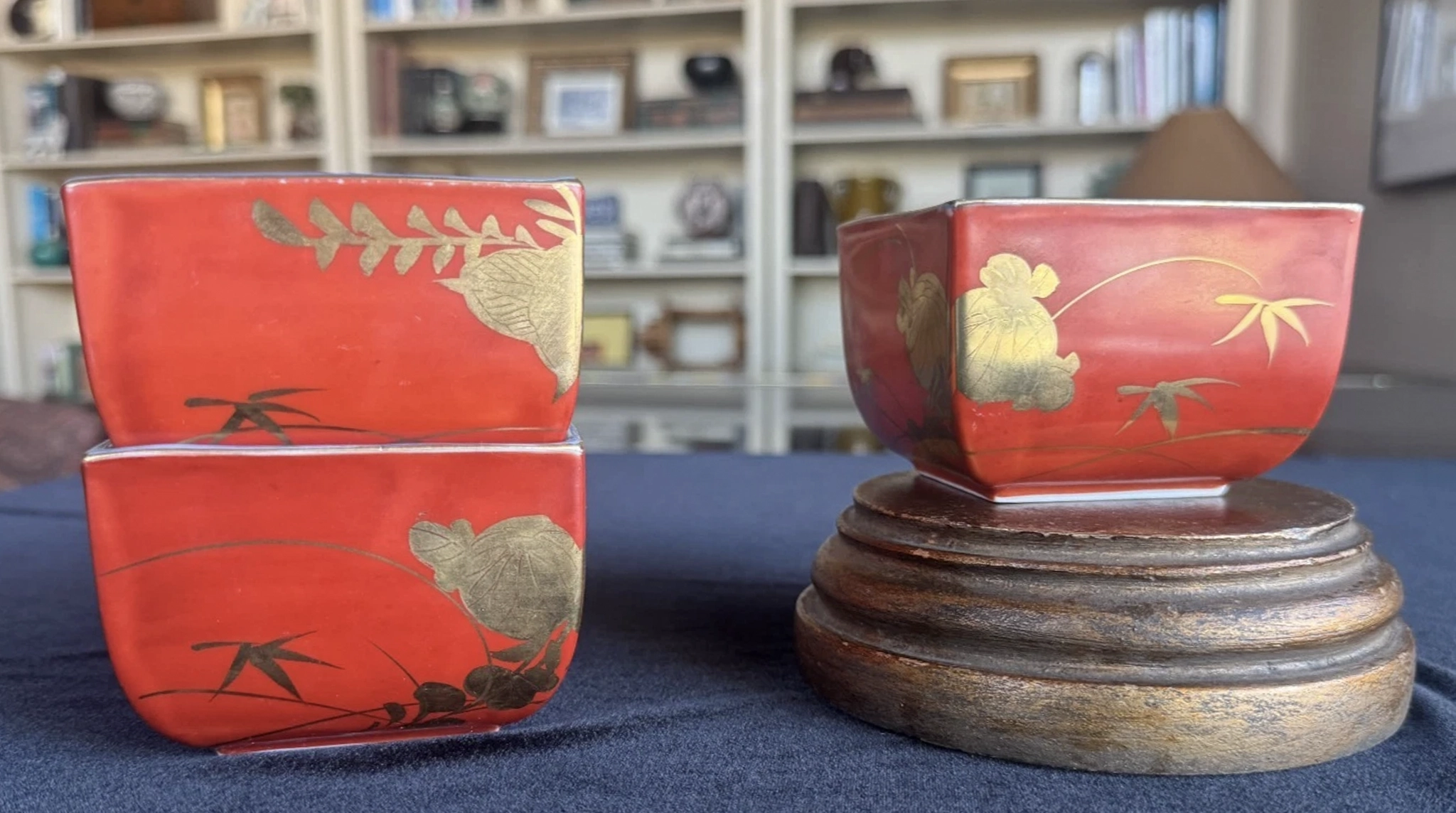
Square, Gilded, and In Between: Kyoto Mukōzuke from the Early 20th Century
The modern wasn’t invented all at once. It was arrived at slowly, rediscovered by makers willing to look backward and forward at the same time.
-
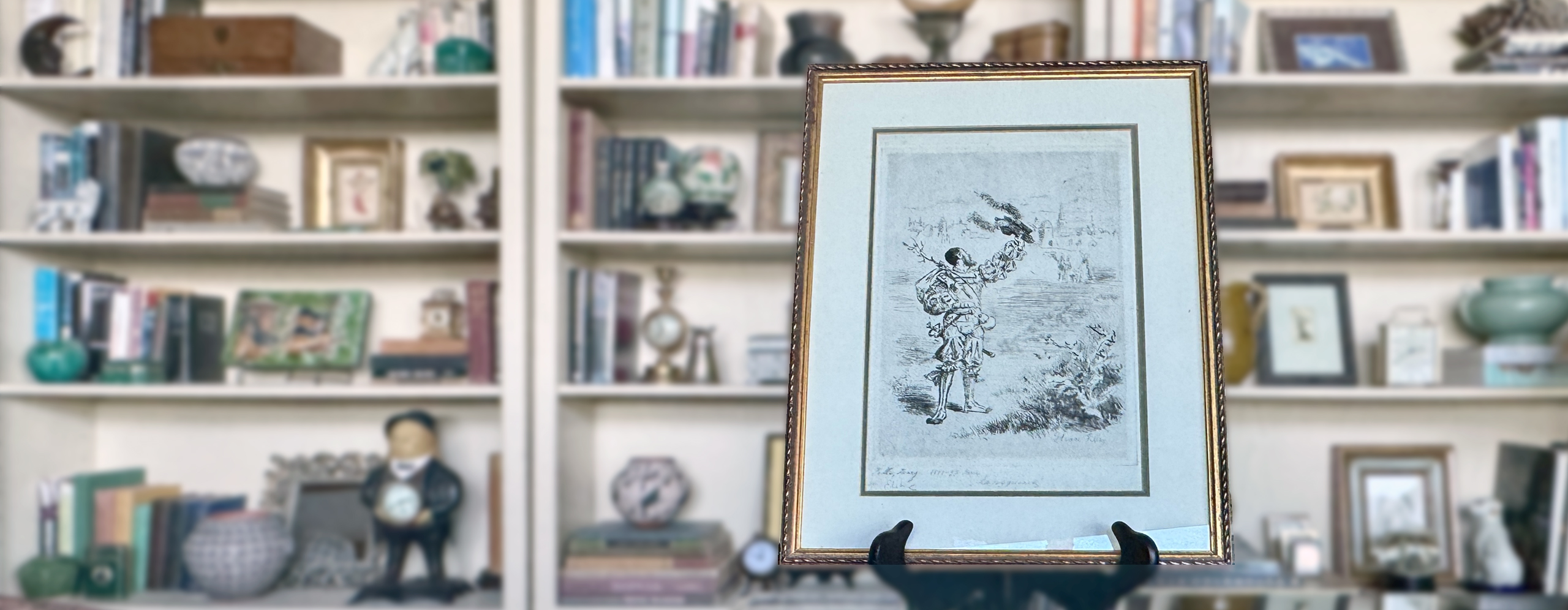
Henri Pille and the Problem of Being Very Good in 1880’s Montmartre
Pille stood in the middle of a remarkable artistic moment, surrounded by artists whose names would become permanent. His disappearance from the market asks an uncomfortable question: who decides what endures, and why?
-
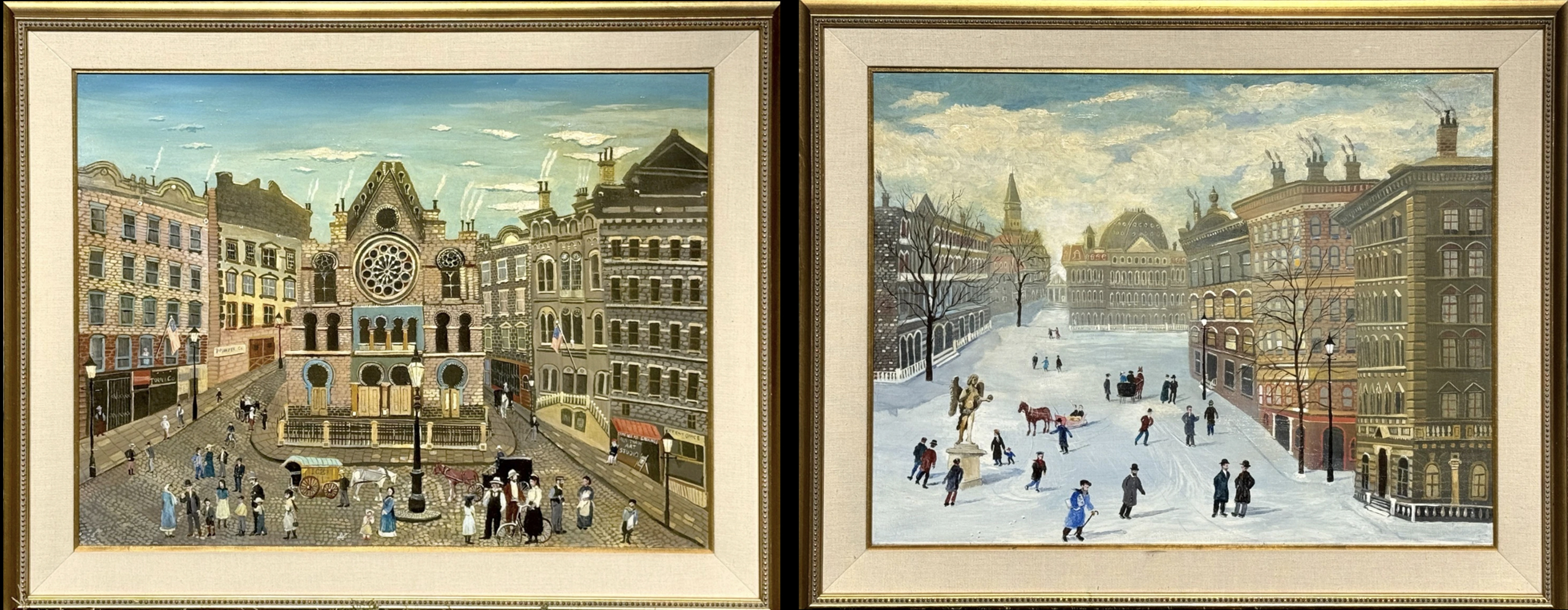
Following the Clues: Identifying Avi Thaw’s Folk Revival Cityscapes
These folk revival cityscapes sent me on a surprisingly fun research hunt. Hidden self-portraits, real New York locations, and a few very cheeky clues led me to uncover the artist.
-
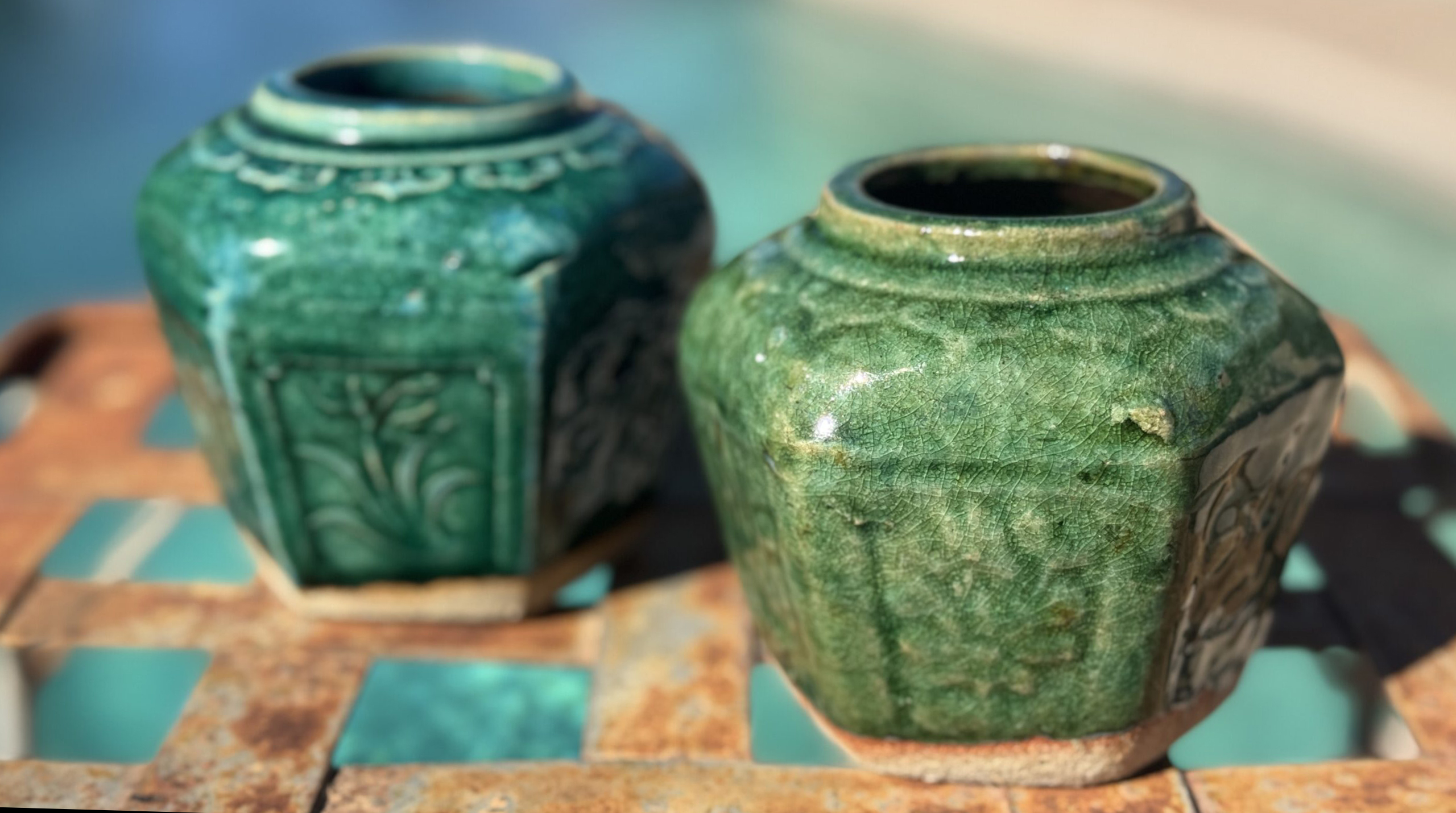
Pretty Green Pots: Shiwan Ware and the Beauty of Everyday Kilns
These green pots were made in large numbers, but quality varies widely. Learn what separates ordinary examples from those worth collecting.
-
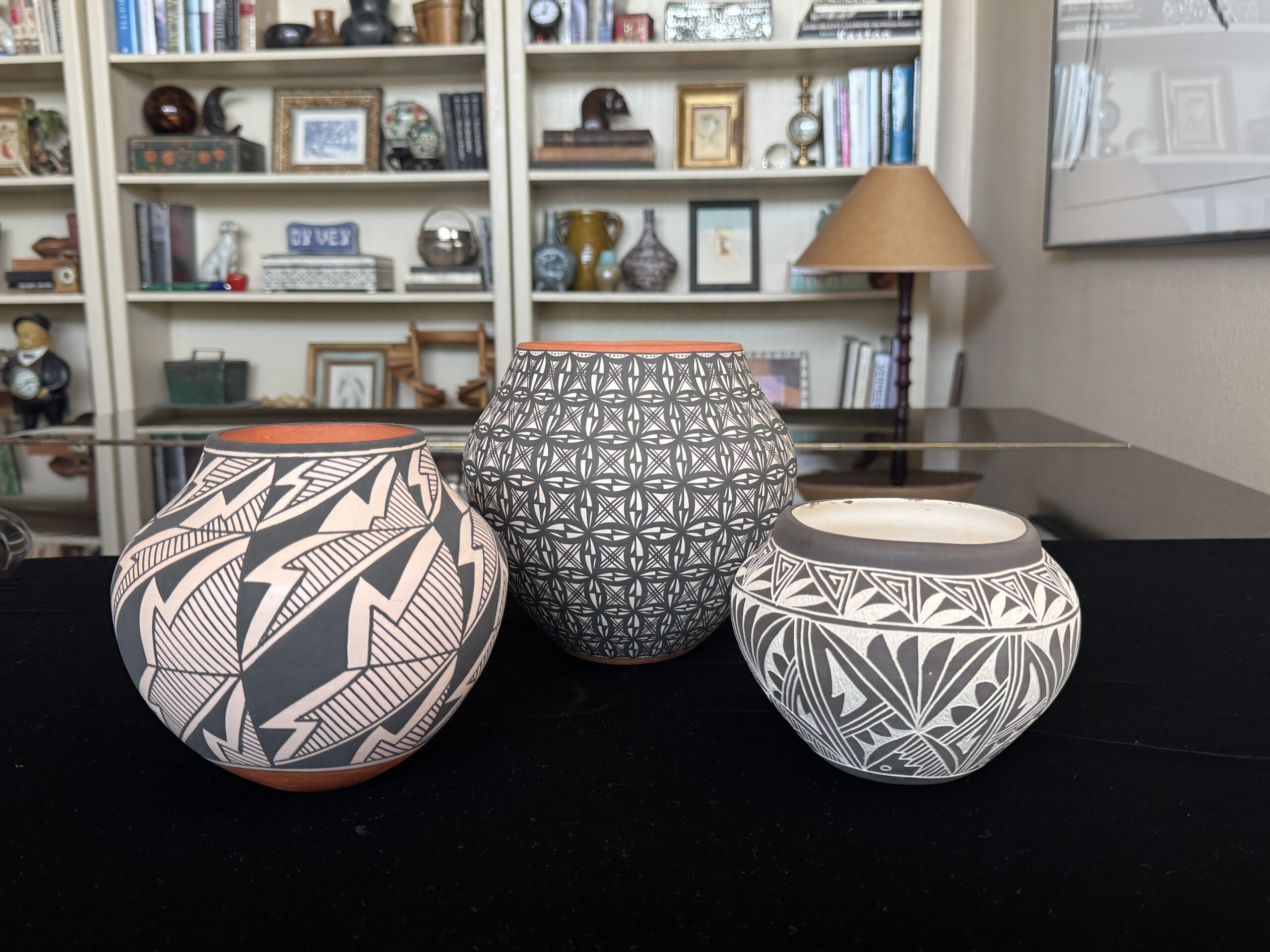
Acoma Pottery: An Unbroken Tradition of Precision and Patience
The Acoma Plateau, often called Sky City, is widely recognized as the oldest continuously inhabited community in the United States. For more than a thousand years, Acoma potters have shaped clay gathered from the surrounding mesas into vessels that are both functional and astonishingly refined. Long before pottery was made for collectors, it was…