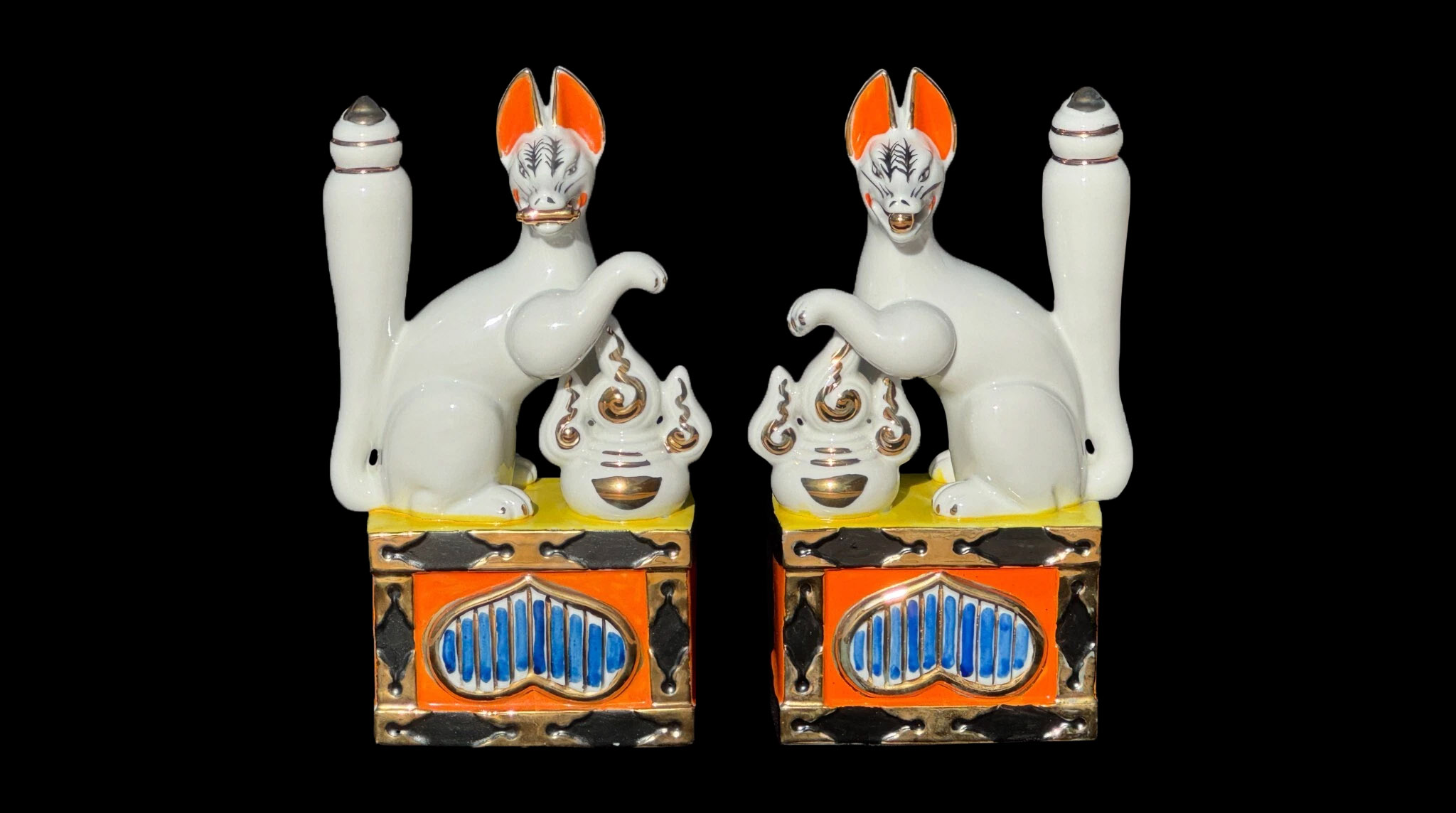
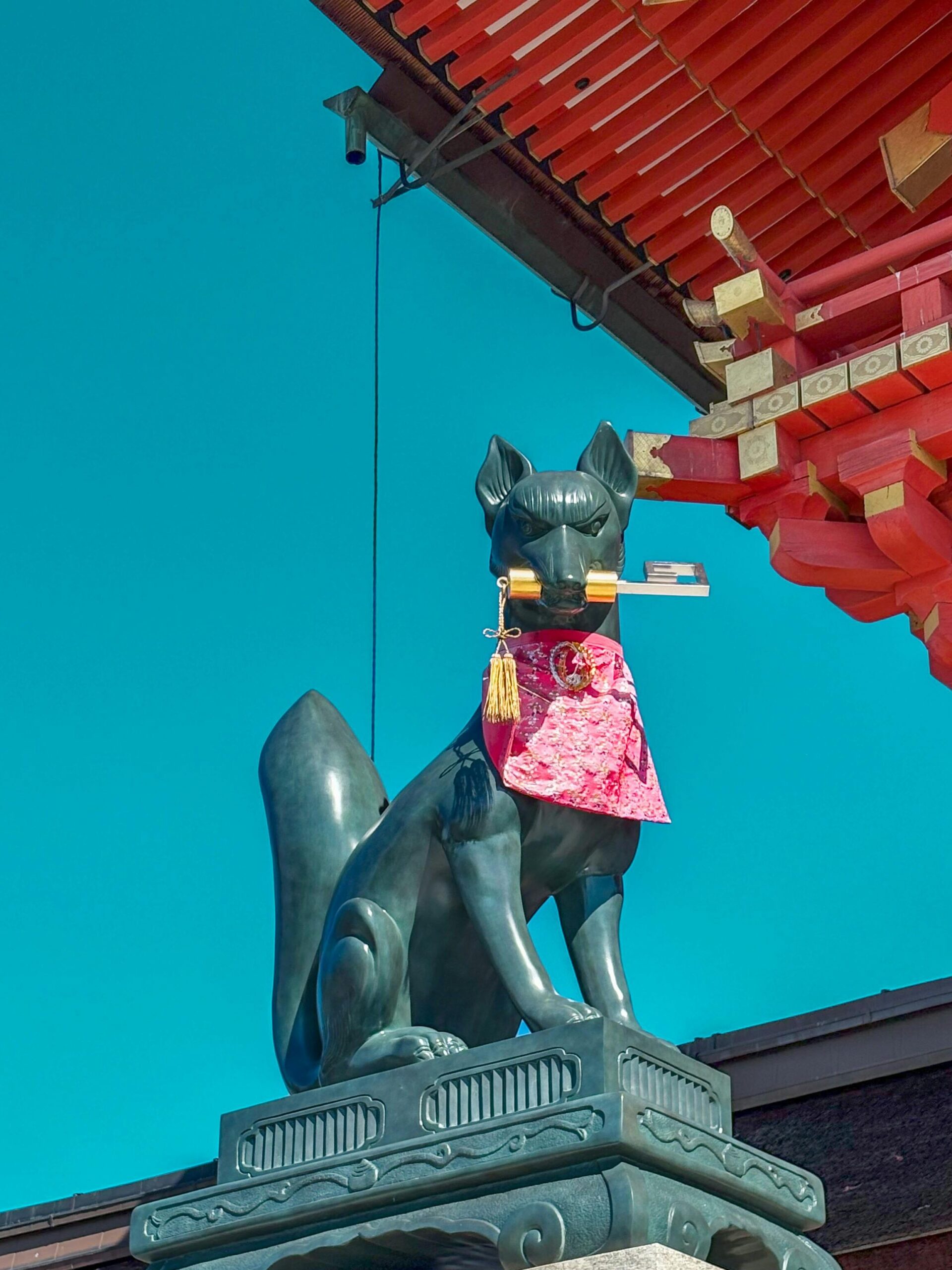
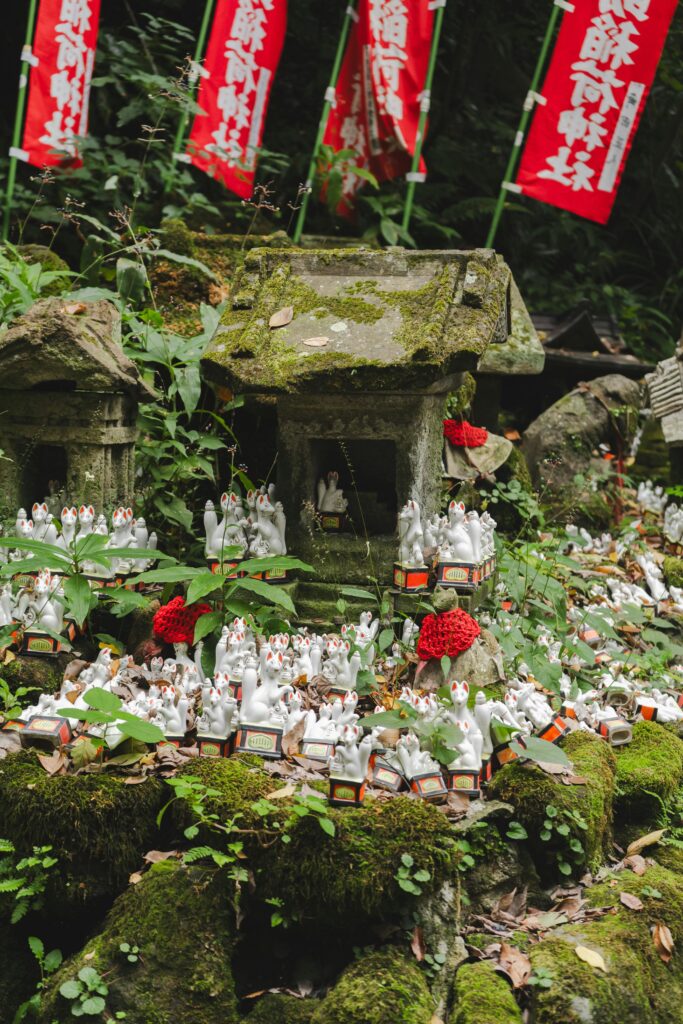
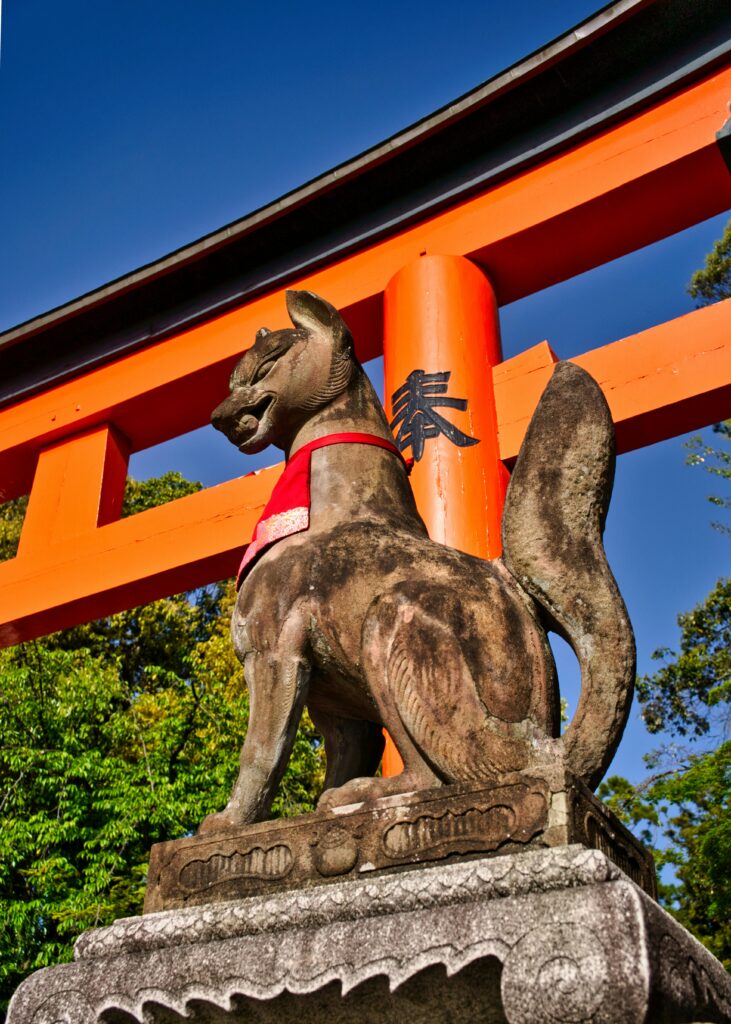
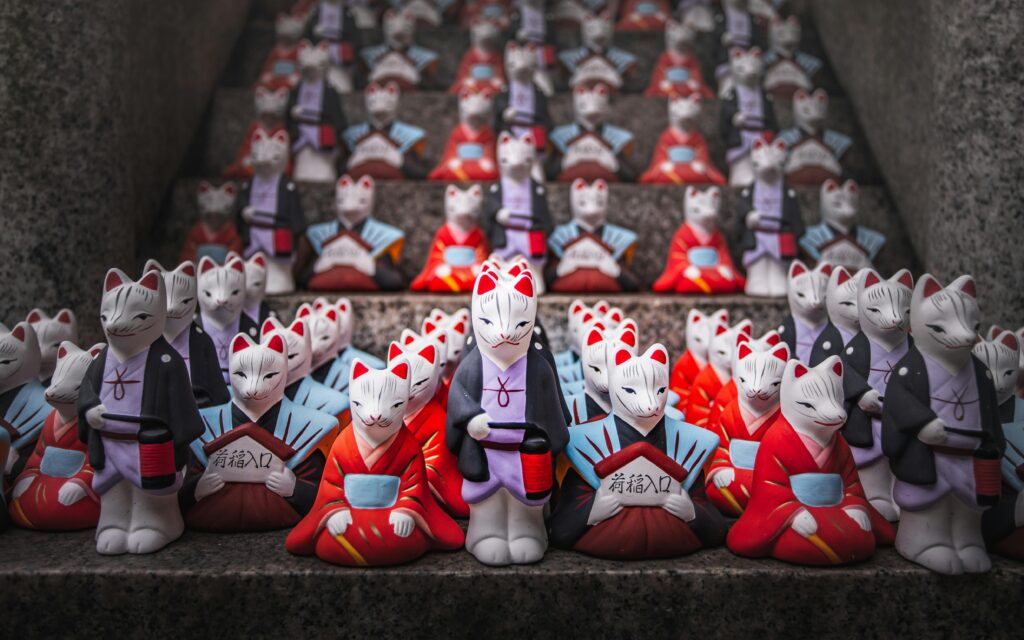
These foxes are kitsune — ancient messengers of the Shinto deity Inari. For more than thirteen centuries, they have guarded the tens of thousands of Inari shrines scattered across Japan. Tied to rice, harvest, and protection, they are fierce by design. Guardians in the old-world sense of the term. They were never meant to be decorative, even when they are so stark, bright, and glossy they resemble a 1960s vision of the future.
There’s no softness here. No folksy warmth. The surfaces are taut and immaculate, the palette ruthless. They’re slightly unsettling, and deliberately so.
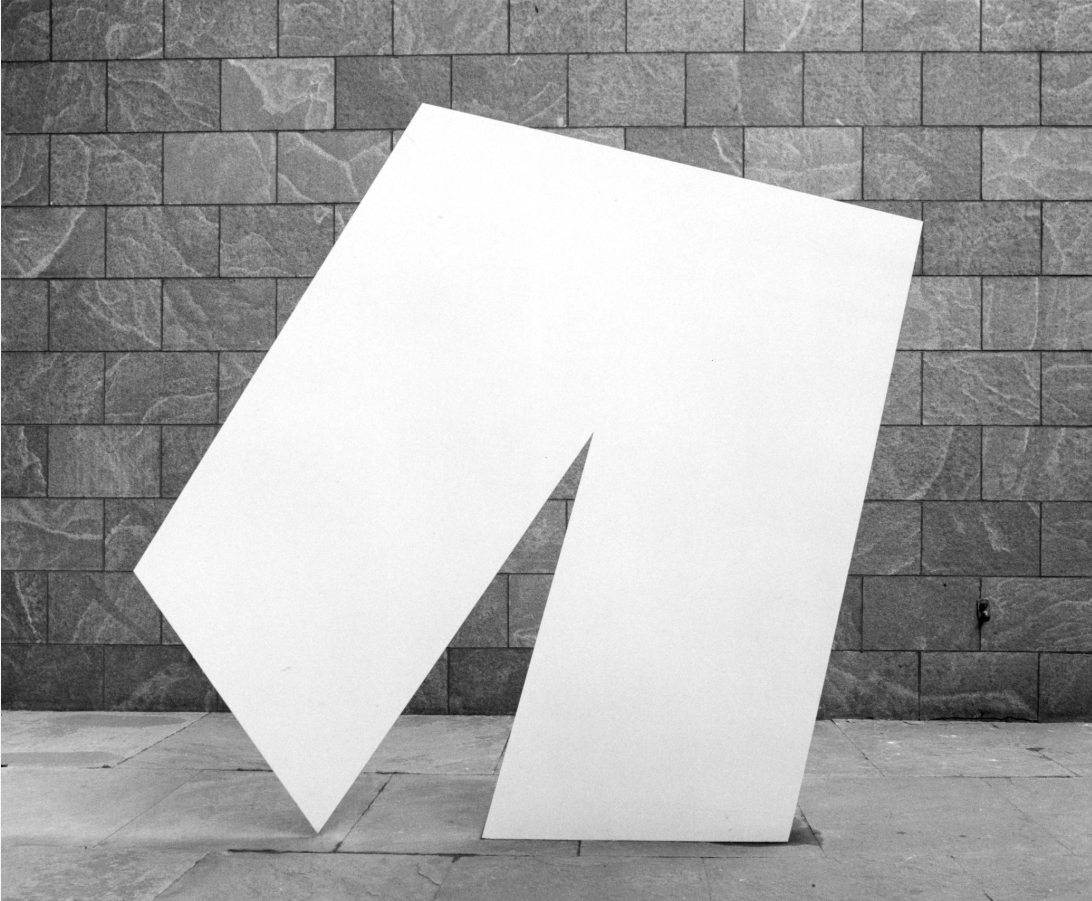
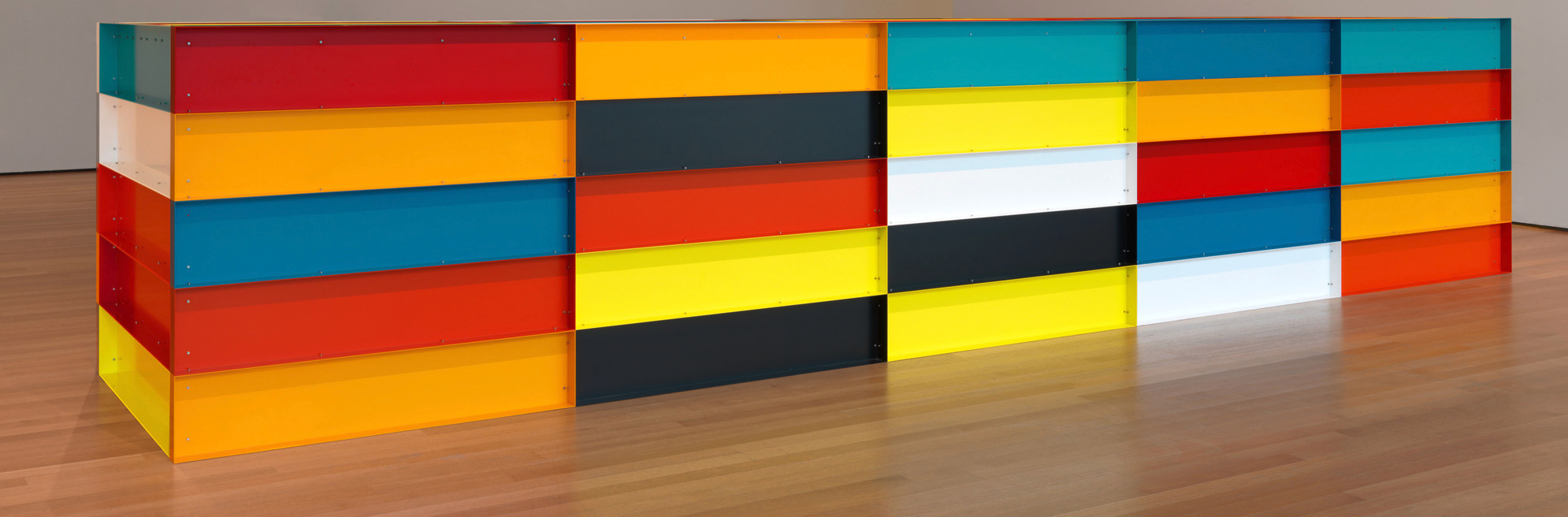
Placed in a room, these figures behave less like devotional objects and more like statements. They sit comfortably beside the hard-edged visual language of the 1960s — Donald Judd’s severity, Ellsworth Kelly’s uncompromising color, Verner Panton’s high-gloss confidence. Style pushed to its edge. Form doing the talking.
Mid-century objects often sought purity through surface and silhouette. White plastic chairs. Chrome forms. Flat color fields. Meaning didn’t live in what the object represented. It lived in the fact of the object itself. These foxes slide effortlessly into that world — except their meaning was never removed.
Their symbolism was imposed by place and repetition — by centuries of standing at thresholds and guarding specific sites. A guardian without a place to guard is only form.
That’s where the unease lives. They look like objects designed for style alone, but they aren’t. They carry belief while wearing the uniform of modernism. Seen from Palm Springs, they feel boldly mid-century. Seen from Kyoto, they’re continuous and ancient. The difference isn’t in the objects. It’s in the viewer.

Leave a Reply